Disclosure: Some links above may contain affiliate partnerships, meaning, at no additional cost to you, Publish and Promote may earn a commission if you click through to make a purchase. You can read our affiliate disclosure in our privacy policy.
Building an author platform feels overwhelming when you’re starting from zero followers. But here’s what I’ve learned helping hundreds of writers grow their audiences over three decades: you don’t need millions of fans. You need the right people finding you consistently.
The authors who successfully build platforms don’t have secret connections or massive budgets—they follow a proven system and stay consistent.
Let me walk you through the exact steps that actually work in 2026.
What Is an Author Platform and Why Do You Need One?
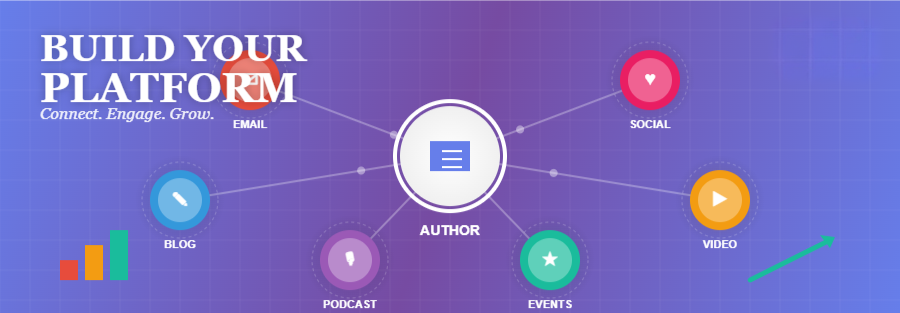
An author platform is your direct connection to readers—the audience you can reach without a publisher’s help. It includes your email list, social media following, website traffic, and any other way readers can find and connect with you.
Why it matters: Publishers increasingly expect authors to arrive with existing audiences. Self-published authors need platforms to sell books directly. Either way, your platform determines whether your book finds readers or disappears into obscurity.
The good news? You can start building today, even with zero followers.
Step 1: Choose the Best Social Media Platform for Authors
Stop spreading yourself thin across every social network. Choose where your specific readers already hang out and master that platform first.
Which Social Media Platform Should Authors Use?
Instagram/Threads: Best for visual storytelling, book aesthetics, writing snippets, and connecting with readers who love beautiful imagery. Strong for literary fiction, memoir, and poetry.
TikTok (BookTok): Dominates for short-form video content, behind-the-scenes writing process, book recommendations, and author personality. Exceptionally powerful for romance, young adult, fantasy, and thriller genres.
Substack/Newsletter Platforms: Ideal for direct reader relationships, long-form content, serialized fiction, and building owned audiences. Works across all genres but especially strong for non-fiction and literary work.
YouTube: Perfect for longer videos, author vlogs, book discussions, writing tutorials, and establishing expertise. Excellent for non-fiction authors and those comfortable on camera.
LinkedIn: Essential for business book authors, professional development writers, and anyone targeting corporate or entrepreneurial audiences.
How to Choose Your Primary Author Platform
Genre matters significantly here. Romance readers dominate BookTok and Instagram. Business book readers prefer LinkedIn and newsletters. Thriller readers are active across multiple platforms but especially BookTok.
Match your platform to your audience, then commit to posting 3-4 times weekly for six months minimum. Platform-hopping kills momentum. Pick one, learn it deeply, and expand later.
Step 2: Start Building Your Author Email List Now
Social media platforms change algorithms overnight. Your follower count can become worthless with one policy update. Email subscribers actually belong to you.
Best Email Marketing Tools for Authors
Use ConvertKit, Mailchimp, or Substack to collect and manage emails. All offer free plans for beginners.
The non-negotiable rule: Offer something valuable in exchange for email addresses. Generic “subscribe to my newsletter” doesn’t work.
What to Offer as an Email Lead Magnet
Effective lead magnets that convert:
- Free first chapter or short prequel story
- Exclusive short story in your genre
- Writing guide or resource list
- Character artwork or bonus scenes
- “Insider” content related to your book’s topic
I’ve seen authors build 500-person email lists in three months just by consistently promoting one good lead magnet.
How Often Should Authors Send Emails?
Send emails weekly or biweekly. Share your writing journey, book recommendations, personal stories, and updates. People subscribe because they like you—give them reasons to stay by being authentic and valuable, not just promotional.
Step 3: Create Valuable Content That Grows Your Author Platform
Nobody cares about “my book releases in 8 months!” posts repeated endlessly. Readers care about content that entertains, educates, or resonates emotionally.
Author Content Ideas That Actually Build Platforms
Post ideas that consistently work:
✅ Writing lessons you’ve learned the hard way
✅ Book recommendations in your genre (readers love discovering new books)
✅ Behind-the-scenes of your creative process
✅ Relatable struggles and writing victories
✅ Short stories, excerpts, or poetry
✅ Reading recommendations and reviews
✅ Character development insights
✅ Research stories related to your books
The pattern I’ve noticed across 300+ authors: Writers who give value generously build platforms significantly faster than those who only self-promote.
The 80/20 Content Rule for Authors
80% of your content should provide value (entertainment, education, inspiration). Only 20% should directly promote your books. This ratio builds trust and keeps readers engaged long-term.
Step 4: Engage Authentically to Build Your Author Community
Spend 20 minutes daily genuinely interacting with other accounts in your niche. Comment thoughtfully on posts. Answer questions. Join conversations. Share others’ content.
This matters more than perfect original content.
I’ve watched writers gain their first 1,000 followers purely through authentic engagement before posting much original content themselves. Social media rewards genuine participation, not just broadcasting.
How to Engage as an Author Without Wasting Time
- Set a timer for 20 minutes
- Focus on accounts in your genre or writing community
- Leave substantive comments (more than “great post!”)
- Ask questions and start conversations
- Support other authors generously
Your fellow authors aren’t competition—their audiences overlap with yours.
Step 5: Build a Simple Author Website That Converts
You need a basic professional website. It doesn’t need to be fancy, but it must exist.
Essential Author Website Pages
Required pages:
About Page: Write in third person so media, podcasters, and event organizers can use it. Include your author photo, bio, credentials, and what makes you unique.
Books Page: Even if you haven’t published yet, share what you’re working on. Include cover images, descriptions, and buy links for published work.
Contact Page: Make it easy for readers, media, and opportunities to find you.
Email Signup: Prominently display your lead magnet and email collection form.
Optional but valuable:
Blog: Helps with SEO and gives you owned content beyond social media platforms
Press/Media Kit: Useful once you have books to promote
Events Page: For speaking, signings, or virtual appearances
Best Website Platforms for Authors
WordPress, Wix, Squarespace, or Author.com all work well. Don’t obsess over perfection—get something live and improve it later. A simple, functional site beats an “almost perfect” site that never launches.
Step 6: Connect and Collaborate With Other Authors
Your fellow writers aren’t competition; they’re your community and your fastest path to growth.
How Authors Can Build Community for Platform Growth
Join writer groups on Facebook, Discord, or Reddit specific to your genre
Participate in hashtag events like #WritingCommunity, #AmWriting, or genre-specific tags
Attend virtual author events like book launches, panels, or writing workshops
Cross-promote with authors in your genre to expose yourself to their audiences
Some of my most successful author clients grew fastest through strategic friendships and collaborations, not solo hustle. Reader audiences overlap significantly—especially within genres.
Author Collaboration Ideas
- Guest appearances on each other’s newsletters
- Joint Instagram Lives or YouTube videos
- Anthology contributions
- Shared book bundles or promotions
- Review exchanges (authentic only)
- Podcast guesting
How Long Does It Take to Build an Author Platform?
The timeline reality: Building a meaningful author platform takes 12-18 months of consistent effort before you see real momentum and measurable results.
That feels long when you’re starting, but here’s the perspective that matters: starting today means having an established audience when your book launches in 18-24 months.
Most authors write their books and then start building platforms. They launch to silence. Smart authors build platforms while writing, so launch day connects their book with eager readers.
What “Success” Looks Like at Different Stages
After 3 months: 100-300 email subscribers, 500-1,000 social followers, consistent posting rhythm established
After 6 months: 300-500 email subscribers, 1,500-3,000 social followers, engaged community forming, content creation feels natural
After 12 months: 500-1,000+ email subscribers, 3,000-10,000 social followers, regular engagement, potential collaboration opportunities
After 18-24 months: Established platform ready to support book launches, media opportunities, speaking invitations
These numbers vary by genre, platform, and effort level, but represent realistic benchmarks for authors posting consistently.
Your Author Platform Building Action Plan
Start small and build consistently. The authors who succeed don’t do everything perfectly—they just show up regularly and provide genuine value.
Your immediate next steps:
- This week: Choose your primary platform and create your first valuable post
- This month: Set up basic email collection with a simple lead magnet
- Within 90 days: Establish consistent posting rhythm and build your basic website
- Within 6 months: Connect with 10+ authors in your genre and engage daily
Your platform starts with your next post. Not the perfect post—just the next one.
Ready to bring your book to market with professional quality?
Our self-publishing package handles the technical complexities while you retain full creative control and higher royalties. We guide authors through editing, design, formatting, and distribution—giving you the quality of traditional publishing with the speed and profit margins of self-publishing.
Explore our proven self-publishing services → Publish Your Book
We’ve helped hundreds of authors successfully publish since 2010. Let’s make your book the next success story.